Put the Pieces Back Together


Some memories don’t return the same way
Concept Overview
A story told through fragments
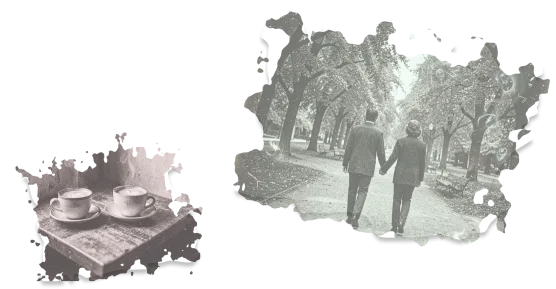
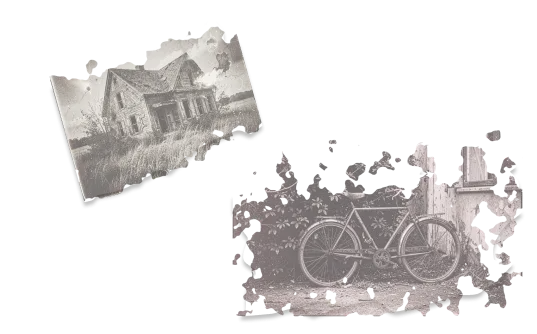
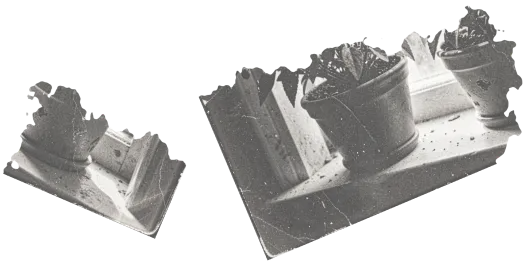
Lowmeadow Crest: Memory Fragments is built around reconstructing scenes rather than solving traditional puzzles. Players are given pieces of moments — objects, silhouettes, environments — and must arrange them into a coherent composition. There are no explicit instructions. Meaning emerges gradually as fragments begin to align.

Interaction Model
Moments waiting
to be remembered
-

Touch, move, and discover
-
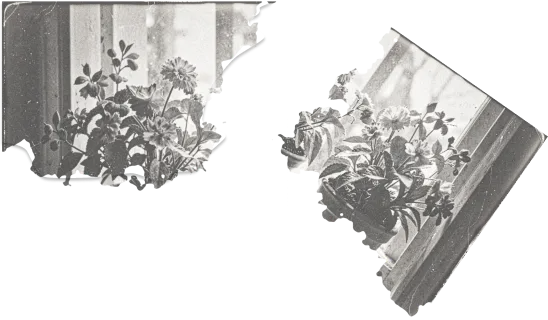
Drag fragments into the scene space
-
Rotate or reposition elements
-
Align pieces based on visual and contextual clues
-
Trigger subtle changes when connections are correct
Reconstruction Logic
Not everything fits perfectly
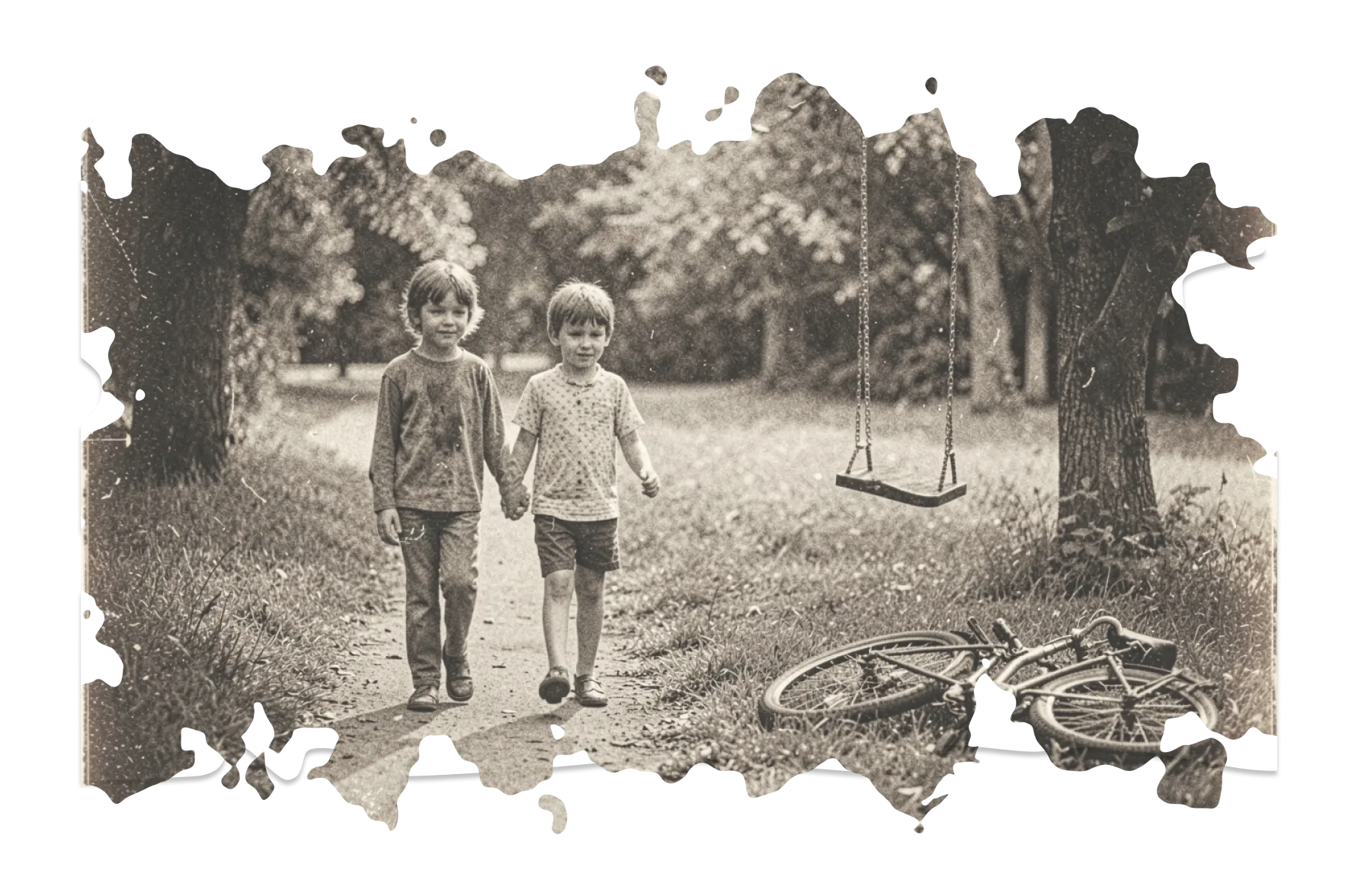
Some fragments may overlap, fade, or change depending on placement. The goal is not always perfect alignment, but emotional coherence. You'll start to see how things connect without us having to tell you the 'right' way to do it.
Narrative Flow
Understanding without words
Each completed scene reveals a moment — a place, an interaction, or a feeling.
These moments connect loosely, allowing players to form their own interpretation of the story.
The more you really look at what's happening, the more it'll hit you emotionally.
Distinctive Elements
What makes the experience unique
-
Puzzle-solving through visual storytelling
-
Non-linear interpretation of scenes
-
Subtle feedback instead of direct confirmation
-
Open-ended understanding of outcomes

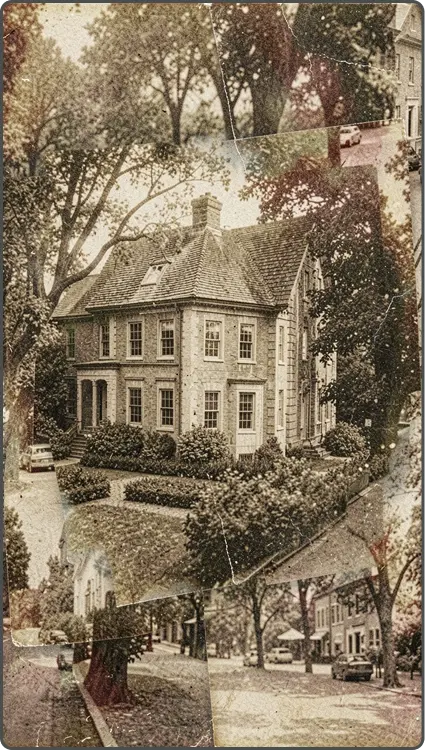
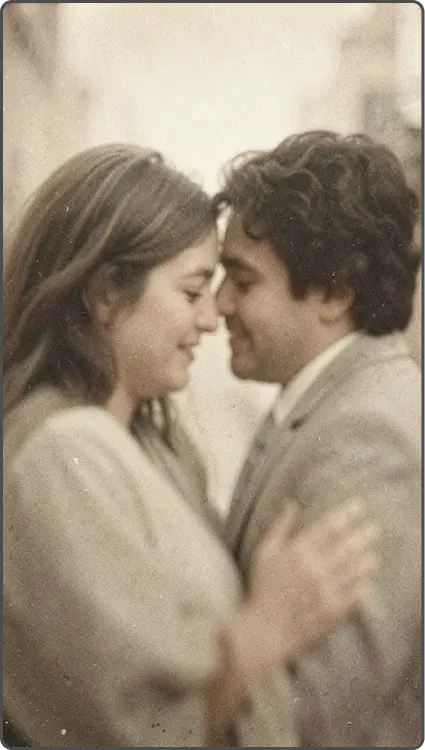
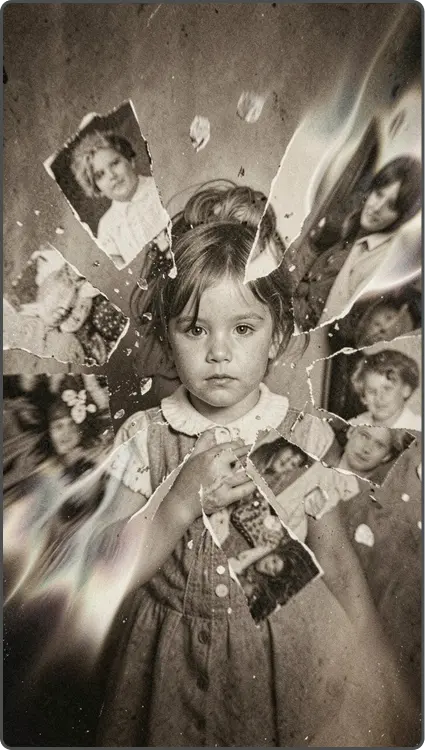
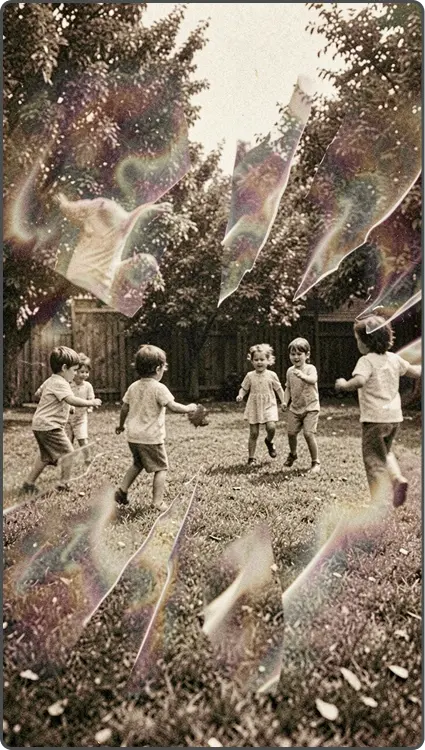
Visual Showcase
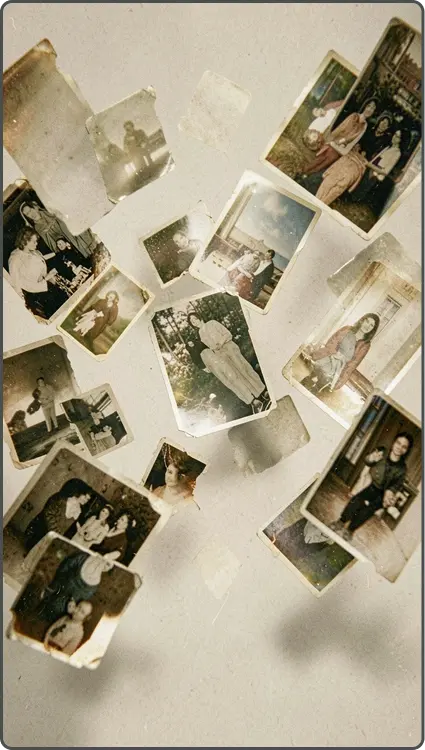
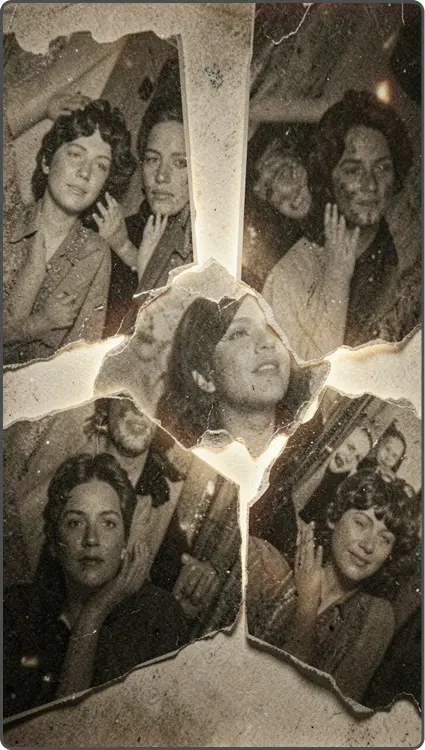
Fragments becoming whole
Common Questions
Clarifying the experience
-
We had specific scenes in mind, but honestly, what you see in them might be different from what we intended.
-
No. Players uncover meaning through observation.
-
It’s more about perception than difficulty.
-
Yes. Re-experiencing them may reveal new details.
-
No. The pace is entirely up to the player.
Contact Point
We’re open to your thoughts
 info@lowmeadowcrest.space